

Transforming Python Functions into APIs with Lambda and API Gateway
Serverless architectures are becoming increasingly popular due to their scalability and cost-effectiveness.


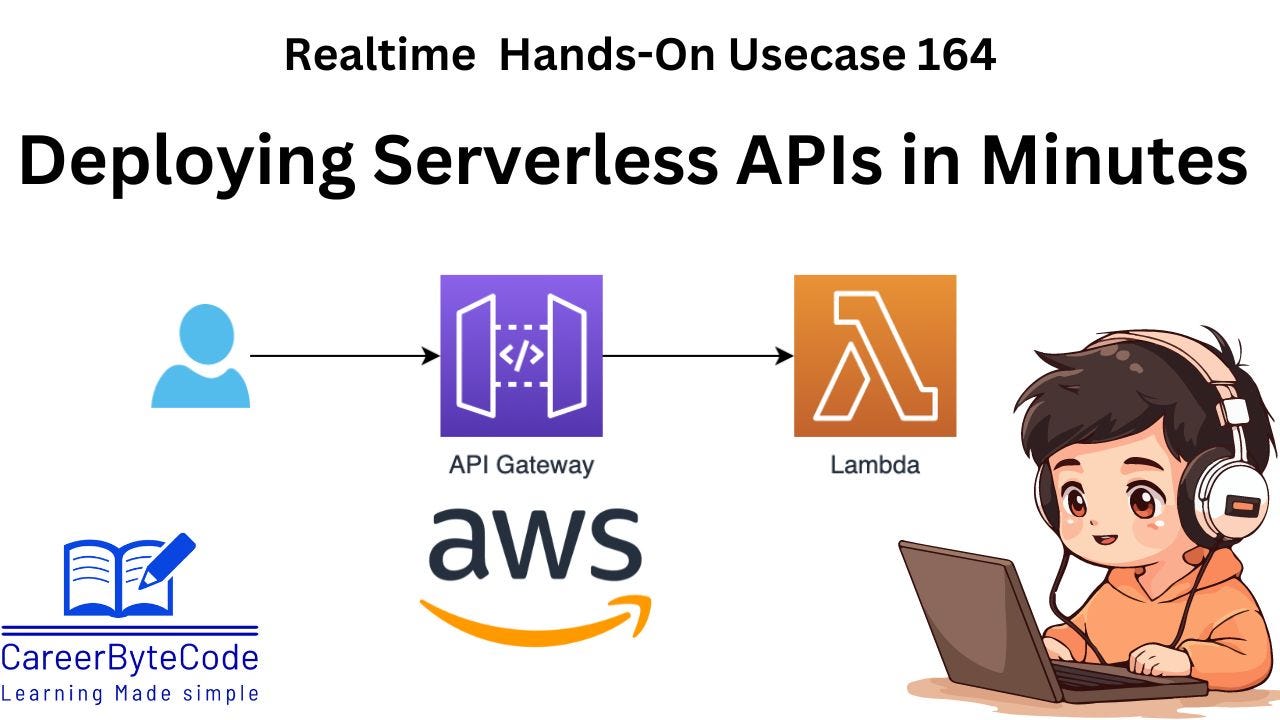
1. Why We Need This Use Case:
Serverless architectures are becoming increasingly popular due to their scalability and cost-effectiveness. AWS Lambda enables users to run functions in the cloud without managing servers, and AWS API Gateway acts as a front-end to expose Lambda functions as RESTful APIs. This integration is crucial for building scalable, reliable microservices in the cloud.
2. When We Need This Use Case:
This use case applies when there's a need to expose serverless AWS Lambda functions as REST APIs. It's ideal for building serverless web applications, backend services, or event-driven architectures that need HTTP interaction with clients.
3. Challenge Questions:
How does integrating AWS Lambda with API Gateway support serverless API development?
What are the advantages of AWS Lambda over traditional server-based applications?
How do you handle input parameters passed from API Gateway to Lambda functions?
How would you troubleshoot API Gateway errors when invoking Lambda functions?
What security measures would you implement when exposing Lambda functions via API Gateway?
4. Prerequisites for the Lab:
AWS account with permissions for Lambda and API Gateway.
Familiarity with Python and serverless concepts.
AWS Lambda and API Gateway services enabled.
5. Advantages and Disadvantages of This Use Case:
Advantages:
Scalability: AWS Lambda scales automatically, making it suitable for both low and high-traffic applications.
Cost-Effective: You only pay for compute time, making it cost-efficient for sporadic workloads.
No Server Management: No need to manage infrastructure; AWS takes care of scaling, patching, and availability.
API Gateway Flexibility: API Gateway provides an easy way to set up RESTful APIs, acting as a front-end for Lambda.
Disadvantages:
Cold Starts: Lambda functions can experience cold starts, causing latency in the first request.
Execution Limits: Lambda functions have limitations in execution time (up to 15 minutes), unsuitable for long-running tasks.
Debugging Complexity: Debugging Lambda functions integrated with API Gateway can be more complex than with traditional applications.
6. Step-by-Step Implementation Instructions:
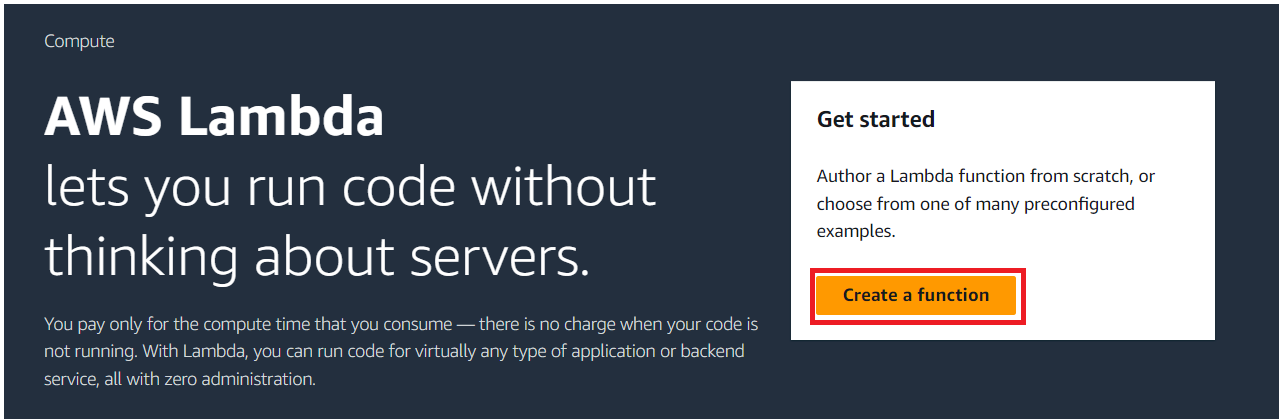
Step 1: Open AWS Lambda server and create a function
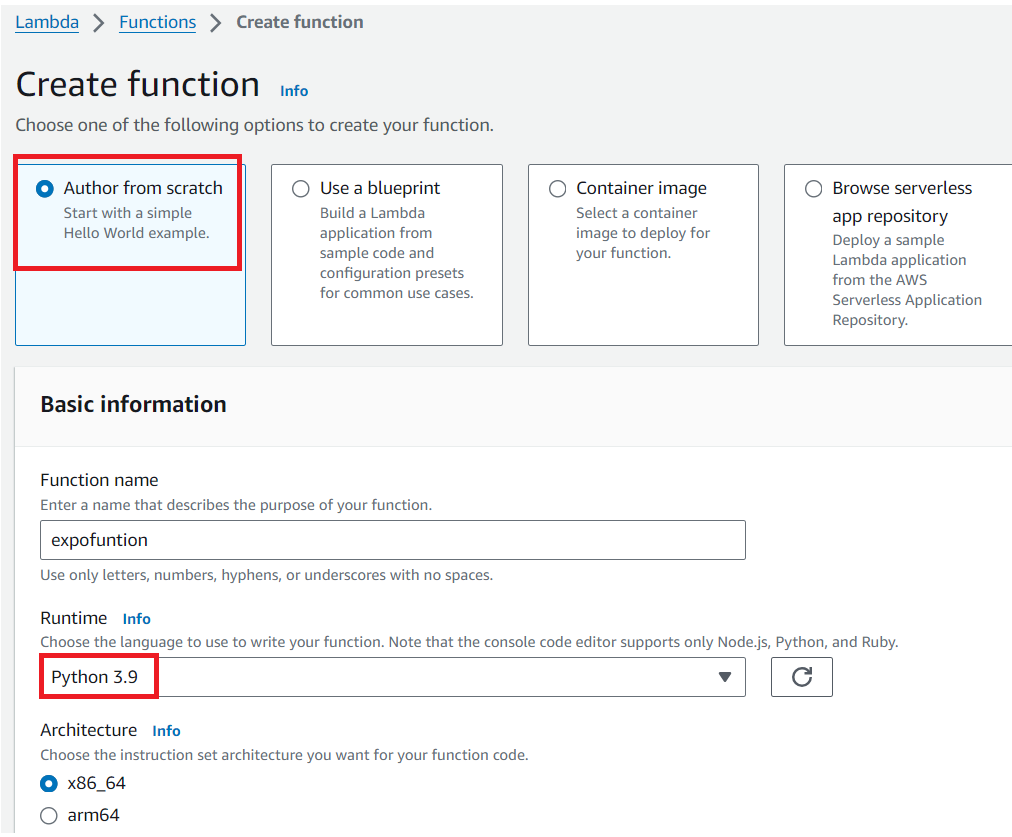
Step 2: Create a function by selecting Author from scratch and the latest python version and create the function as below.
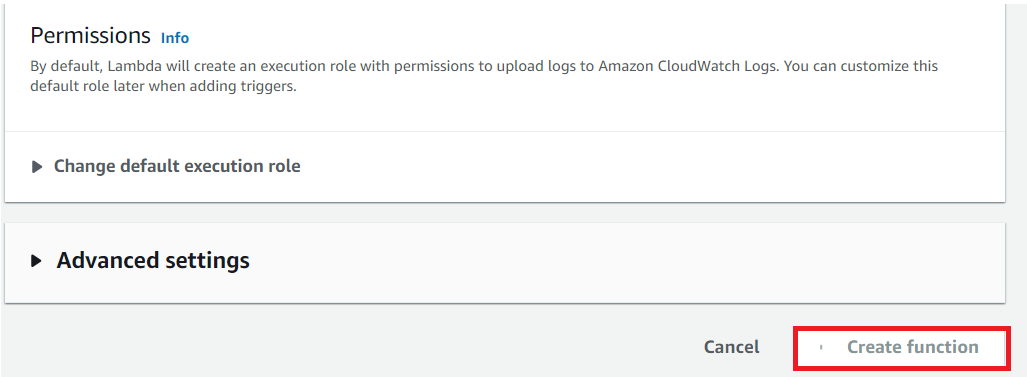
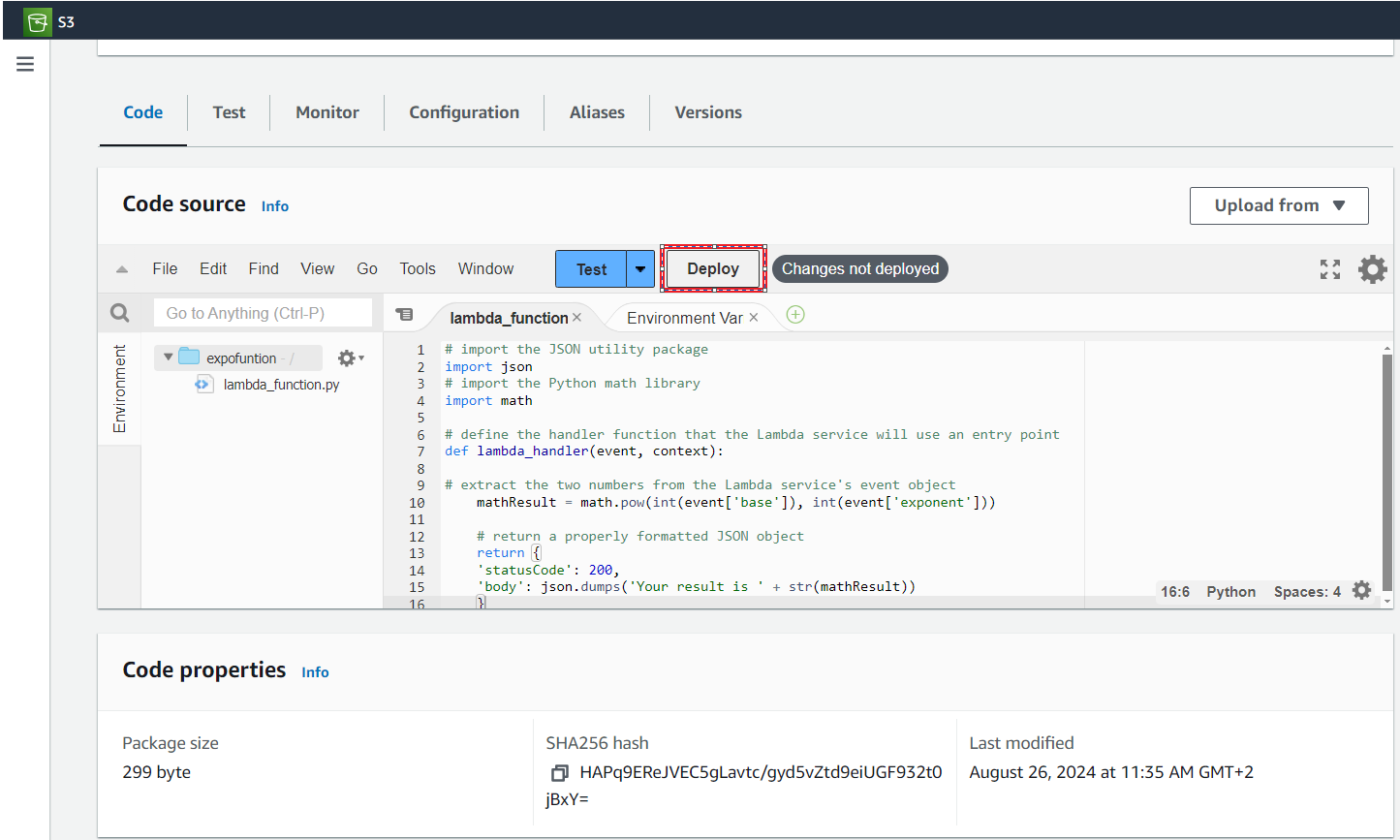
Step 3: Copy the python script and save (ctrl+s) it.Then click Deploy.
# import the JSON and Python math utility package
import json
import math

# define the handler function that the Lambda service will use an entry point
def lambda_handler(event, context):

# extract the two numbers from the Lambda service's event object
    mathResult = math.pow(int(event['base']), int(event['exponent']))

    # return a properly formatted JSON object
    return {
    'statusCode': 200,
    'body': json.dumps('Your result is ' + str(mathResult))
    }
Step 4: Now click the Test dropdown to test the python Lamda function. Select the new event and edit the template with test value in json format and save it.
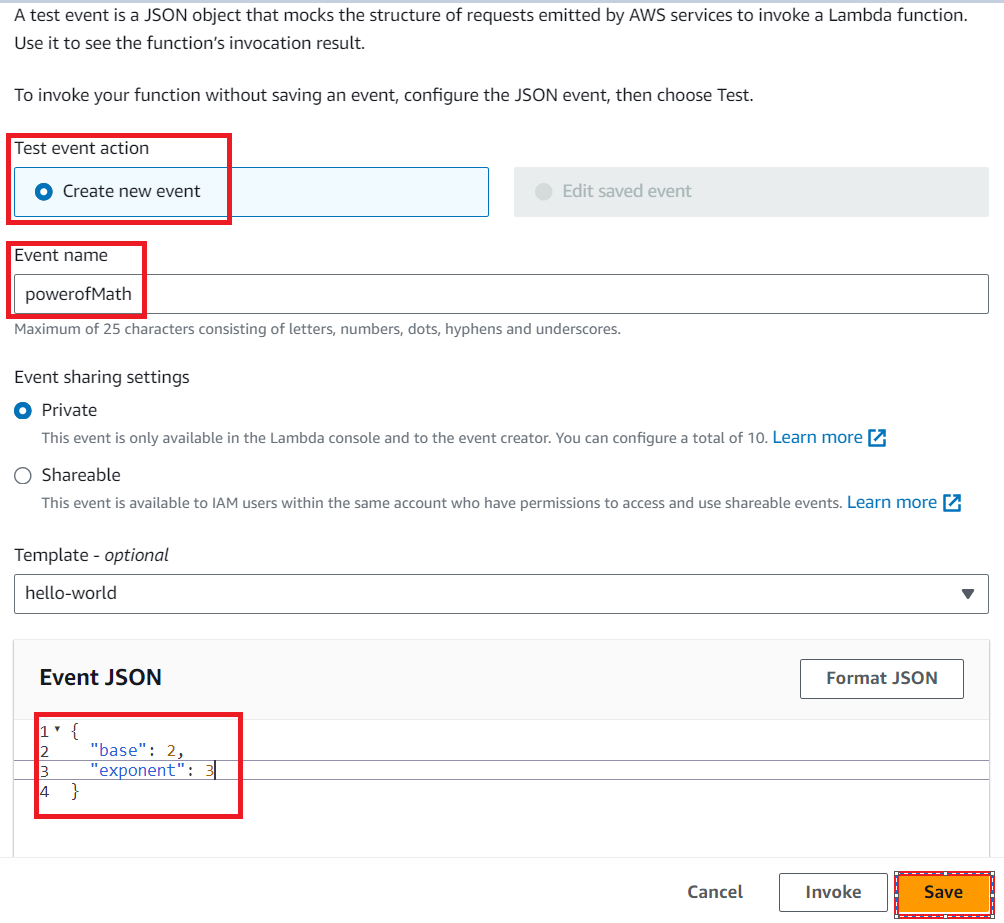
Step 5: Now Click the test button to test the python script in the Lambda function.
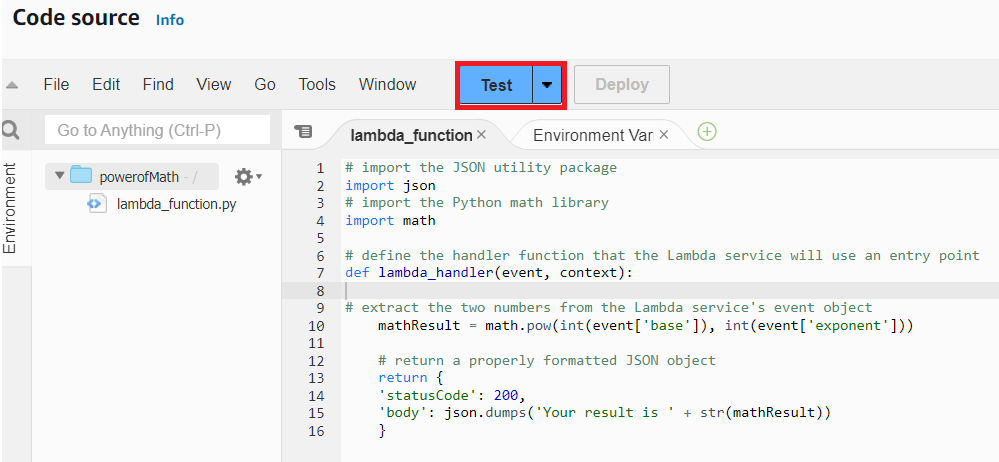
Success!!! Lamda function is working as expected for 2 pow 3 = 8!!!!
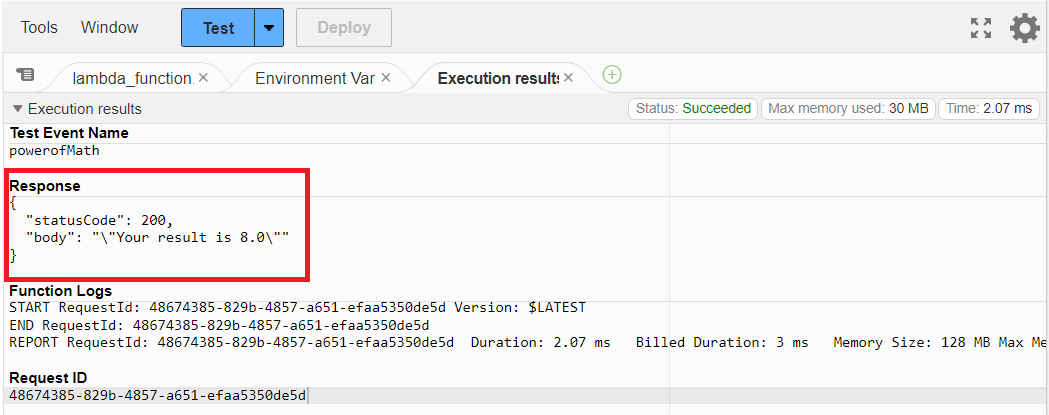
After succeefully tested the lamda function, next will open the AWS API gateway service.
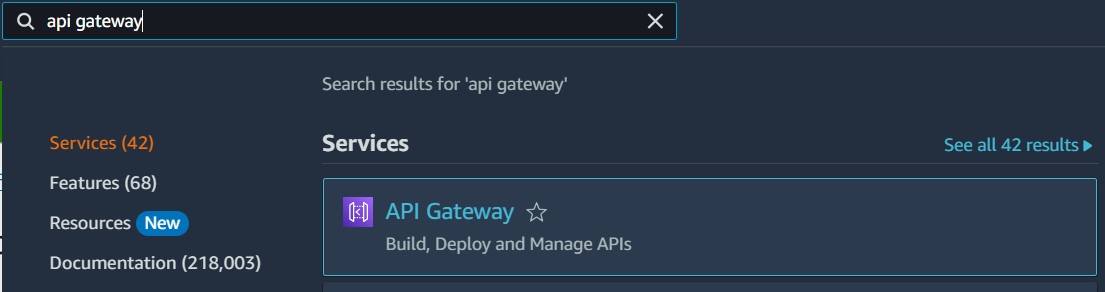
Step 6: Now select the API Gateway to integrate with Lambda function.
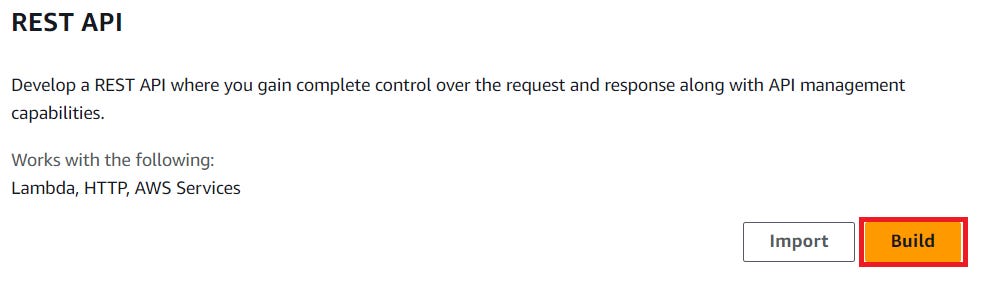
Step 7: Select the REST API and click Build.
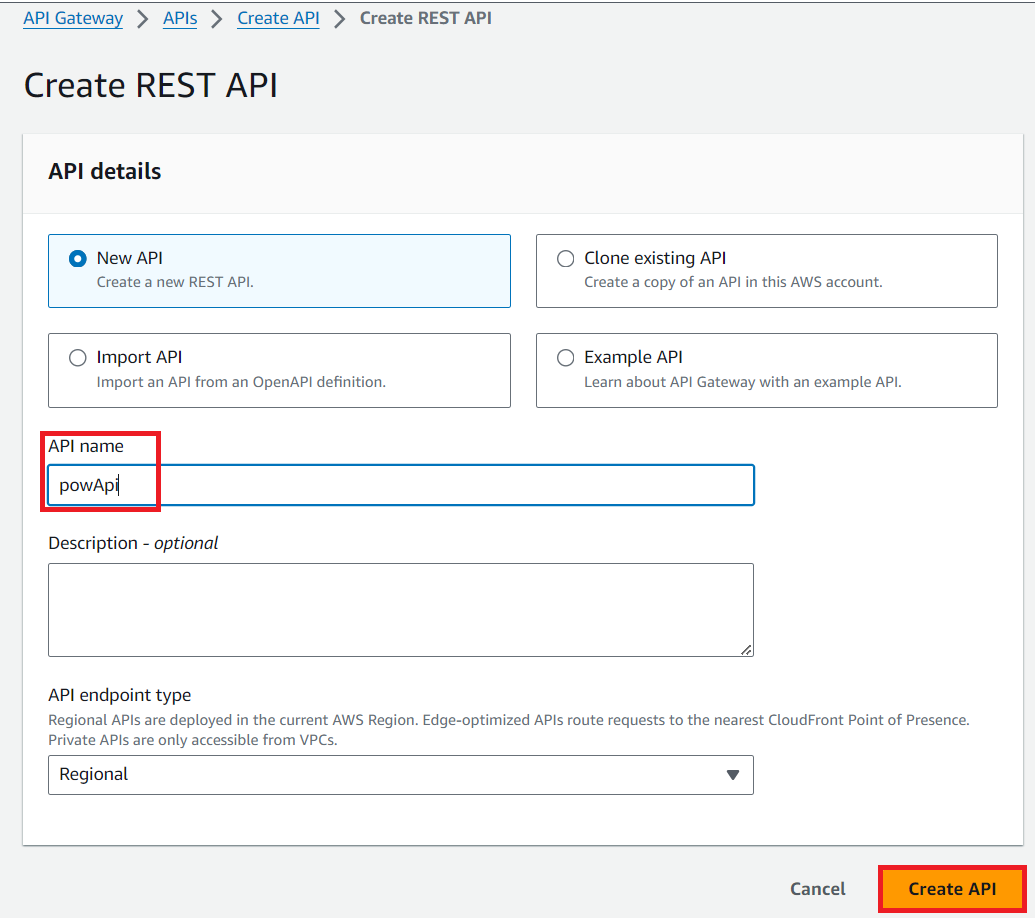
Step 8: Create a RESTful API with an API name and click Create API button
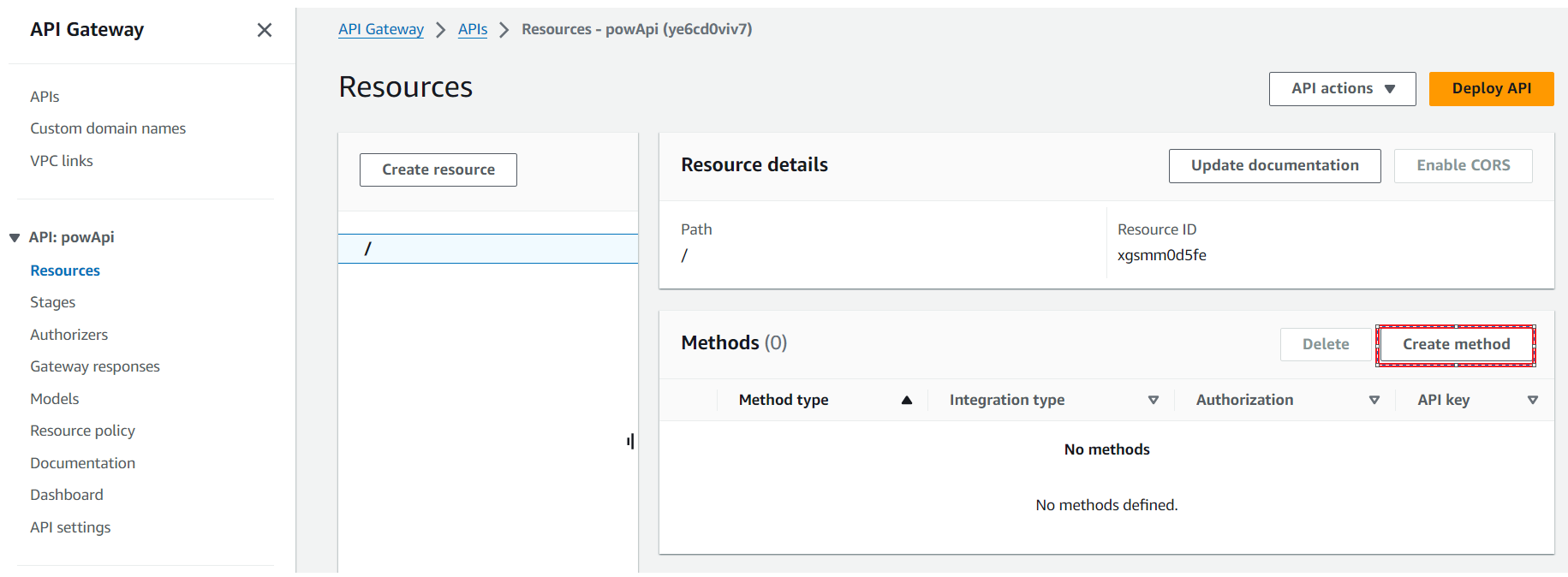
Step 9: Click on Create method -> Select the Create Method as POST, select the Lambda function and click create method button.
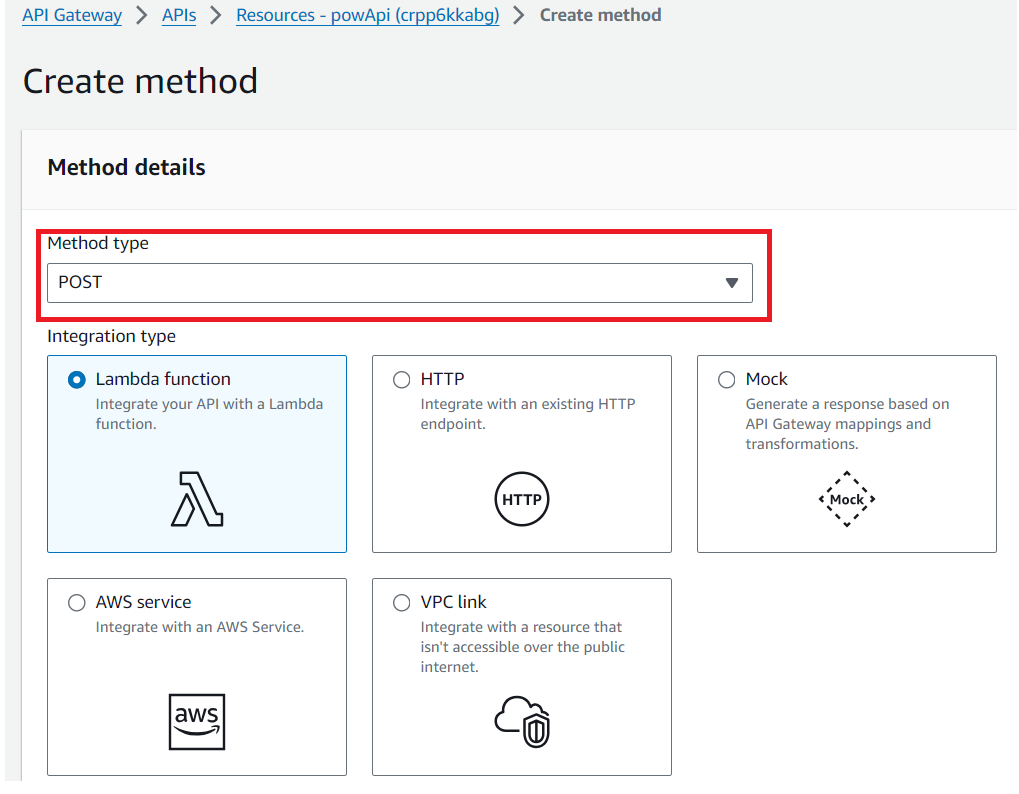
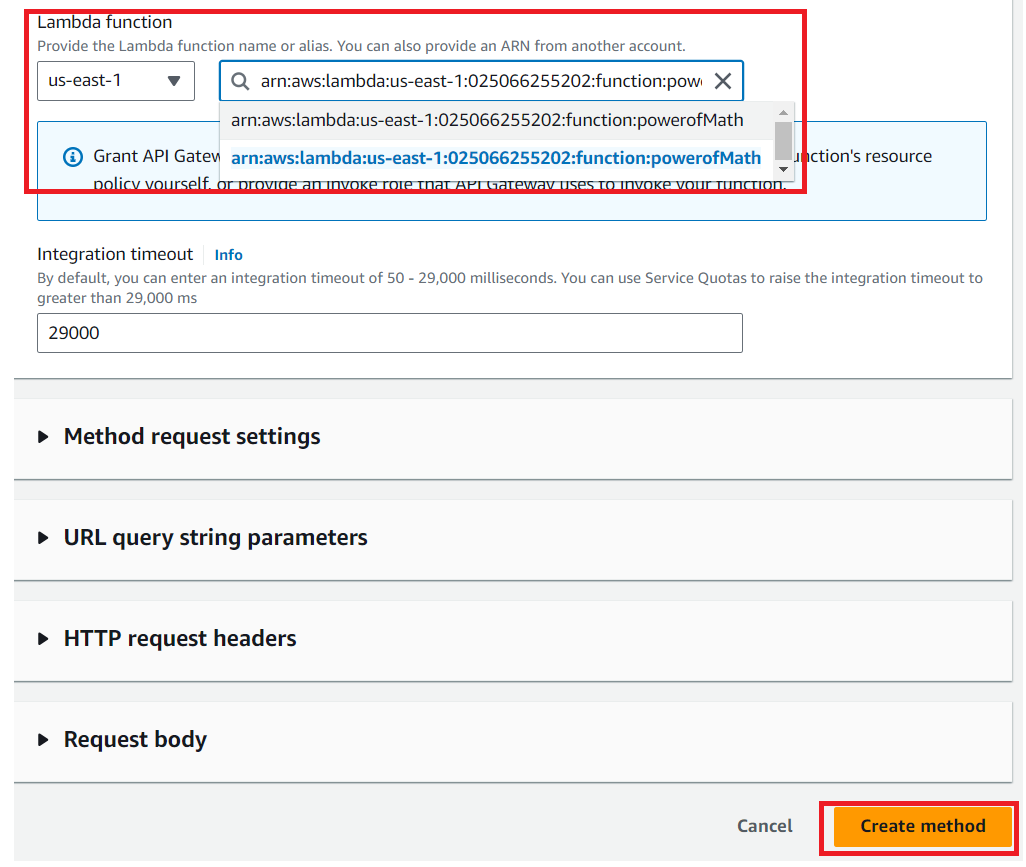
Step 10: Now select the API gateway -> Select the API and click deploy API
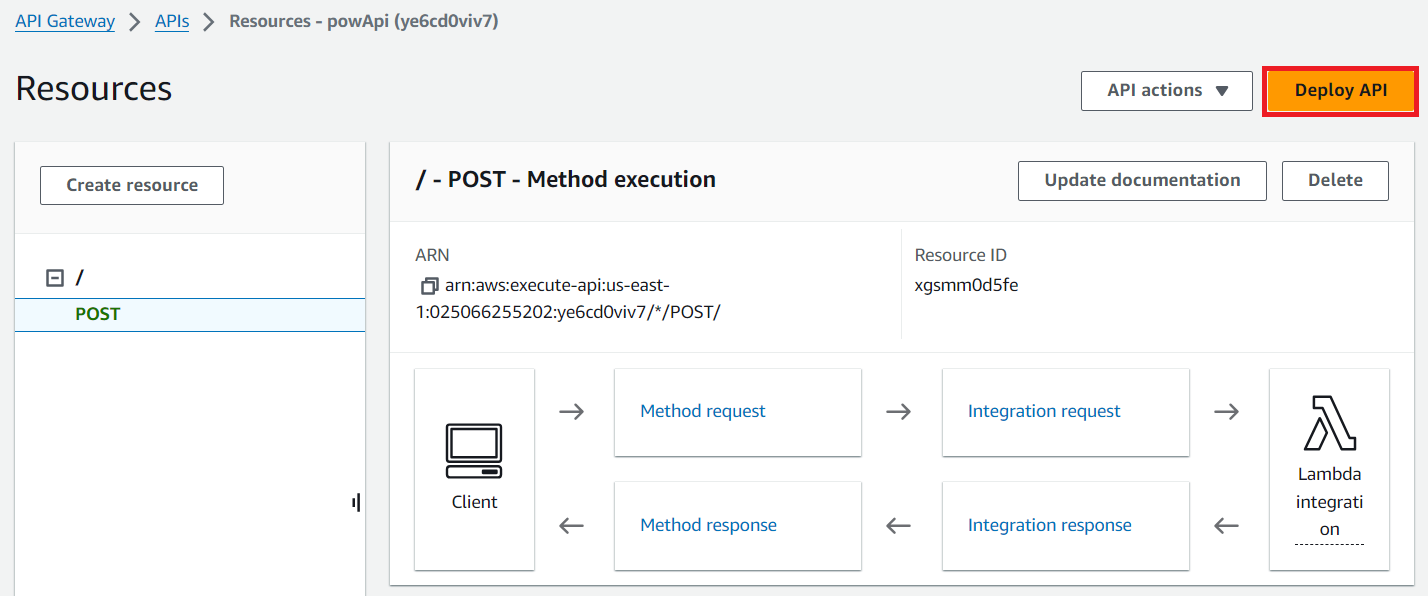
Step 11: Select the Stage and name the deployment to deploy
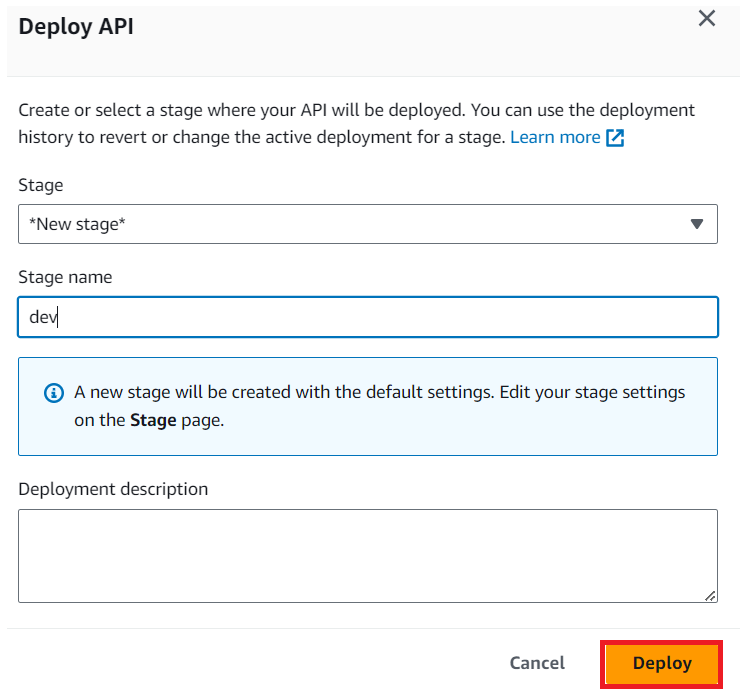
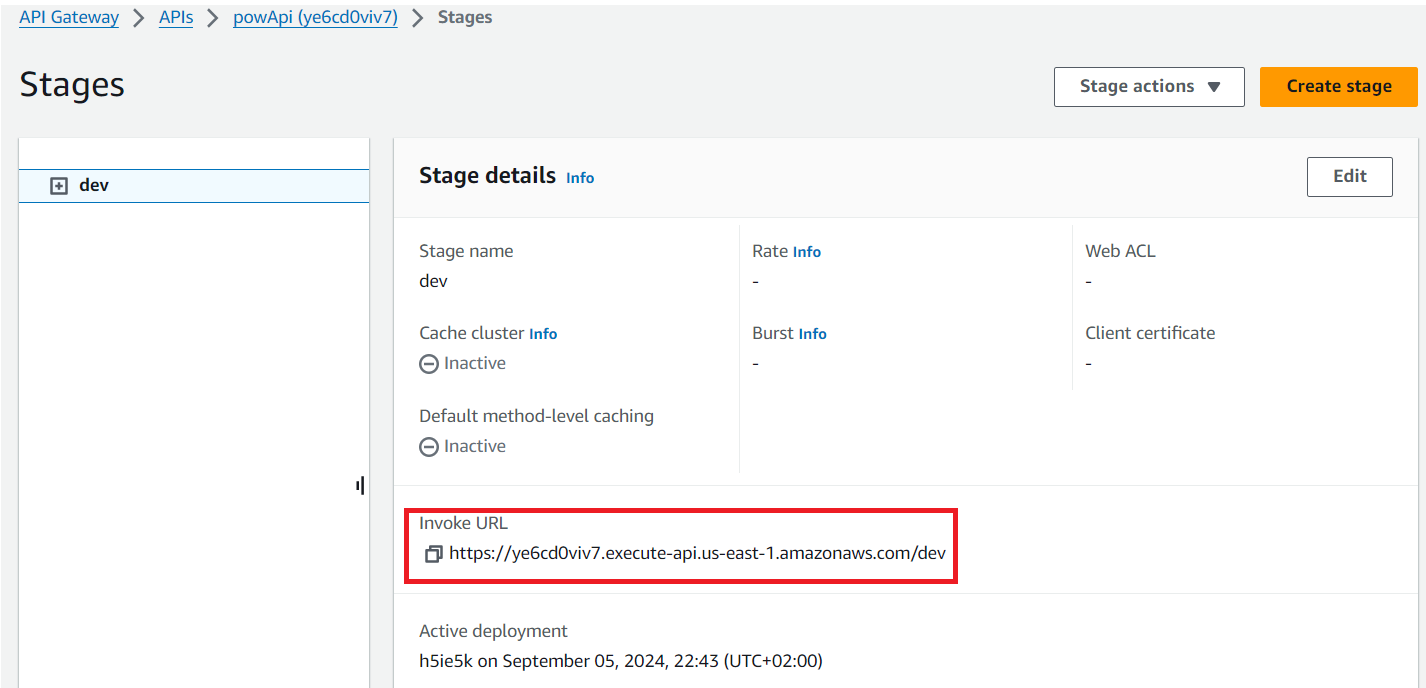
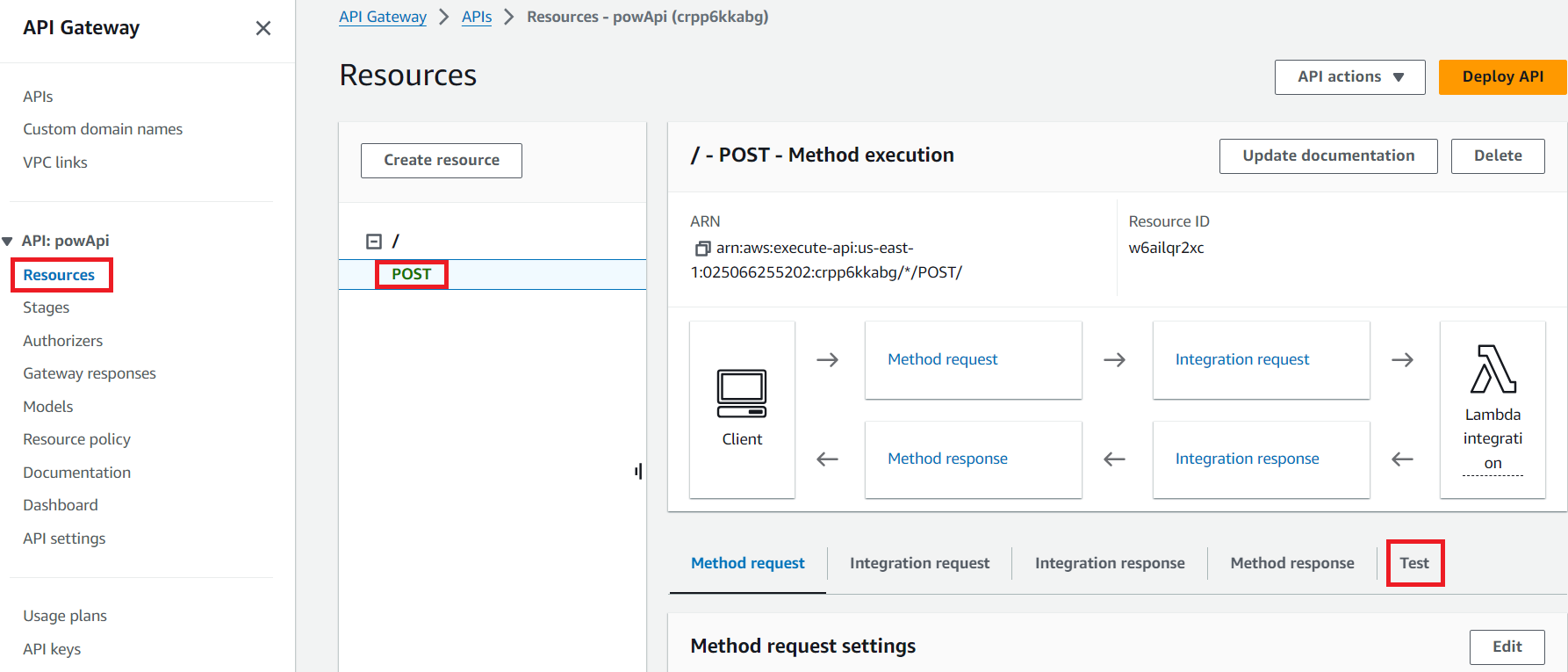
Step 12: Test the deployment by click the Test in the Resource page.
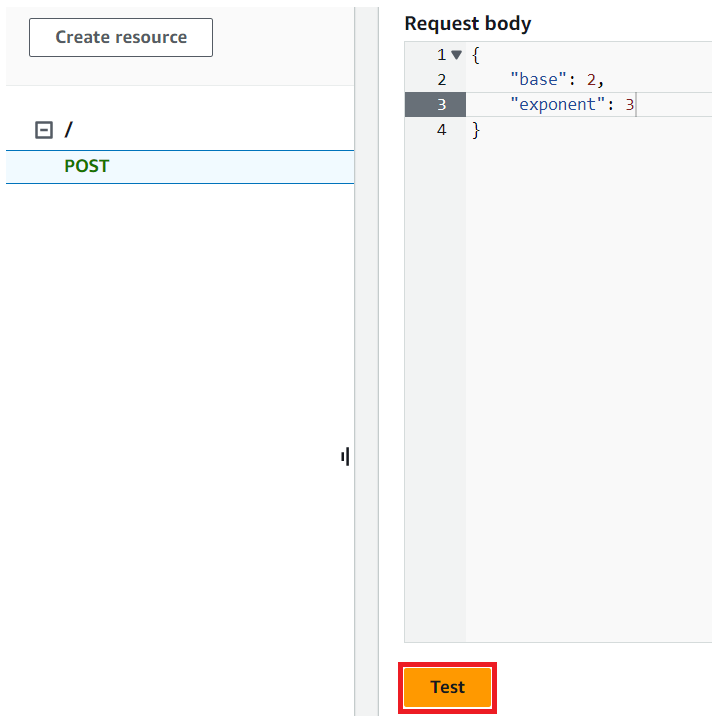
Step 13: Provide the inputs for the json parameters for the math functions as below.
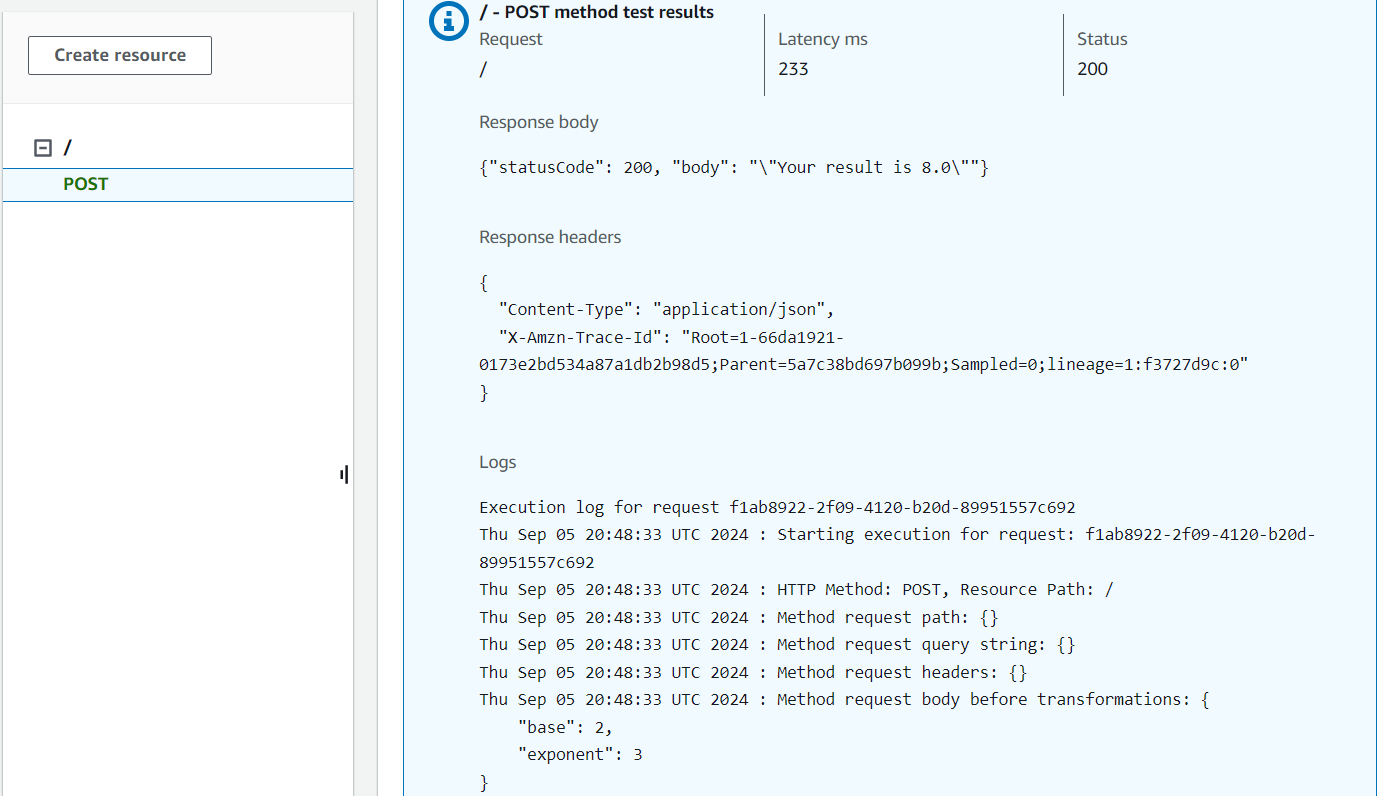
Step 14: Successfully invoked the API gateway through the RESTful POST query to process the python script in the Lambda function and received the response back.
7. Conclusion:
This use case demonstrates how to integrate AWS Lambda with API Gateway to expose serverless functions as REST APIs. It highlights the flexibility and scalability of serverless architecture, allowing developers to build and test APIs efficiently.