

Stuck in Pending: How to Fix Pod Scheduling Issues in Google Kubernetes
In Kubernetes, pods are often scheduled to run on available nodes based on resource requirements and other constraints.

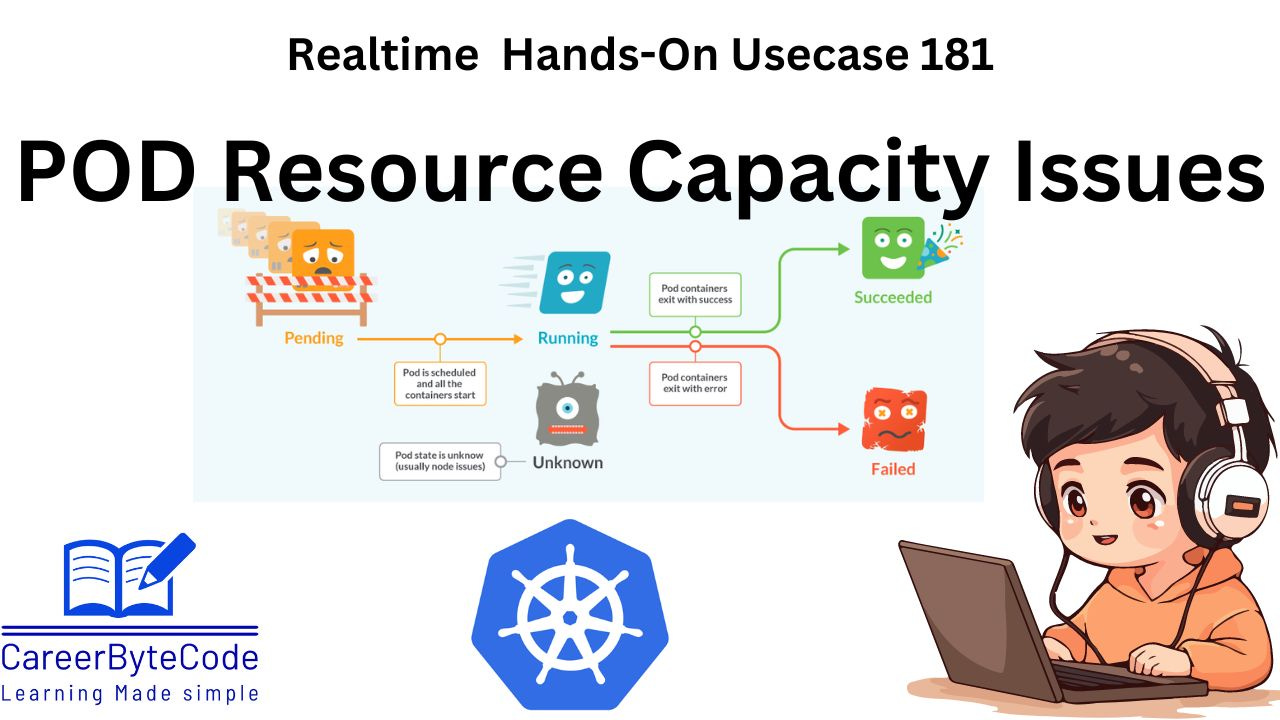
1. Why We Need This Use Case
In Kubernetes, pods are often scheduled to run on available nodes based on resource requirements and other constraints. However, sometimes pods get stuck in the Pending state, indicating that Kubernetes is unable to find an appropriate node to schedule the pod. Debugging such scheduling issues is crucial to ensure the smooth deployment of applications and optimize resource allocation within the cluster. By addressing the root causes of Pending pods, we can improve cluster performance and avoid bottlenecks in workload management.
2. When We Need This Use Case
When a pod remains in the Pending state for a prolonged period, unable to be scheduled to a node.
To investigate resource-related constraints, such as insufficient CPU or memory, preventing pod scheduling.
When there are issues with node selectors, taints, or tolerations that block the pod from being scheduled on any available node.
To diagnose network policies or storage dependencies that are delaying pod scheduling.
When cluster-wide events or misconfigurations result in multiple pods being stuck in the Pending state.
